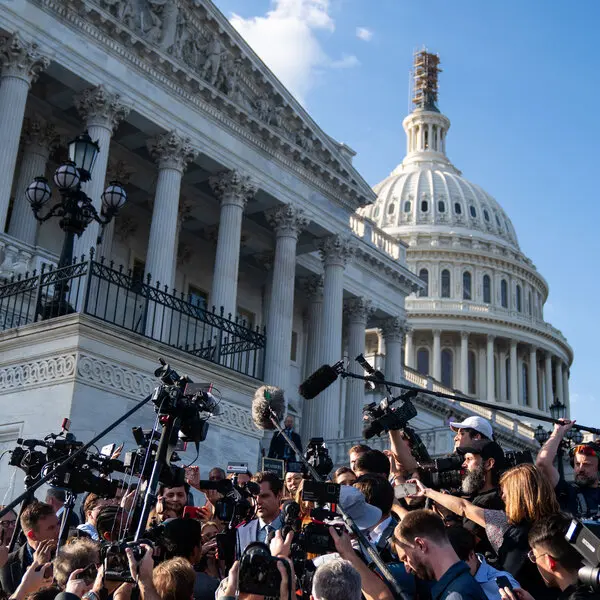
Political Crisis Management and Communication: Strategy, Tools & Reputation Management
The Political Crisis Management and Communication course is designed to equip participants with the core principles and practical tools needed to navigate high-pressure political and communication crises. The program explores how political leaders, institutions, and public actors respond to complex situations such as scandals, misinformation campaigns, diplomatic tensions, and media scrutiny.
Through global and regional case studies, applied frameworks, and live simulations, participants will gain a deep understanding of how crises unfold, how narratives shape public perception, and how to respond with clarity, credibility, and strategic discipline. Particular focus is placed on communication under pressure, digital media dynamics, and decision-making in highly polarized environments.
Course Highlights
Duration
12 Hours: 6 sessions (2 hours each)
Location
Online
Tuition
300 USD
Schedule
Once per week
Instructors
Alina Murzaeva
Industry Facts and Statistics
0% of political crises today
75% of political crises today are amplified through digital and social media platforms, increasing the need for rapid and strategic communication responses.
Over 0% of public trust loss
Over 60% of public trust loss during crises is linked to poor initial communication within the first 24 hours.
Course Outcome
By completing the Political Crisis Management Program, participants will:
1
Understand the foundations of political crisis communication and reputation management.
2
Conduct stakeholder and risk mapping during crises.
3
Navigate media scrutiny and digital information environments.
4
Apply crisis response tools through simulations and case exercises.
Who Should Take
This Course
Public relations and communications professionals aiming to enhance their crisis messaging, media handling, and reputation management skills.
Government and public sector professionals looking to strengthen their ability to manage communication during high-pressure situations.
Students in political science, international relations, or public policy seeking practical exposure to real-world crisis communication.
NGO, advocacy, and civil society leaders who need to navigate sensitive communication environments and stakeholder pressure.
Topics Covered
Foundations of Political Crisis Communication
Introduces the core concepts of political crisis communication, including types of crises, leadership credibility, and the role of ethics and accountability in crisis response.
Crisis Risk Mapping & Preparedness
Focuses on identifying early warning signals, mapping stakeholders, and applying risk assessment frameworks to anticipate and prepare for potential crises.
Media Ecosystems, Narratives & Public Perception
Explores how crises evolve within modern media environments, including narrative formation, public reaction, polarization, and the impact of misinformation.
Crisis Messaging & First Response
Covers how to respond effectively during the first critical hours of a crisis, including message framing, tone, transparency, and media engagement.
Digital Crises, Social Media & Information Warfare
Examines crisis management in the digital age, including social media escalation, misinformation campaigns, and coordination of communication strategies.
Crisis Simulation & Reputation Recovery
Provides hands-on experience through live simulations, focusing on real-time decision-making, managing pressure, and rebuilding trust after a crisis.
Affiliation and Certification
Upon successful completion, participants will receive an e-badge issued via Credly by the LAU Academy of Continuing Education (ACE).
Ready to Take the Next Step?
Contact us today to learn more or enroll in this course!