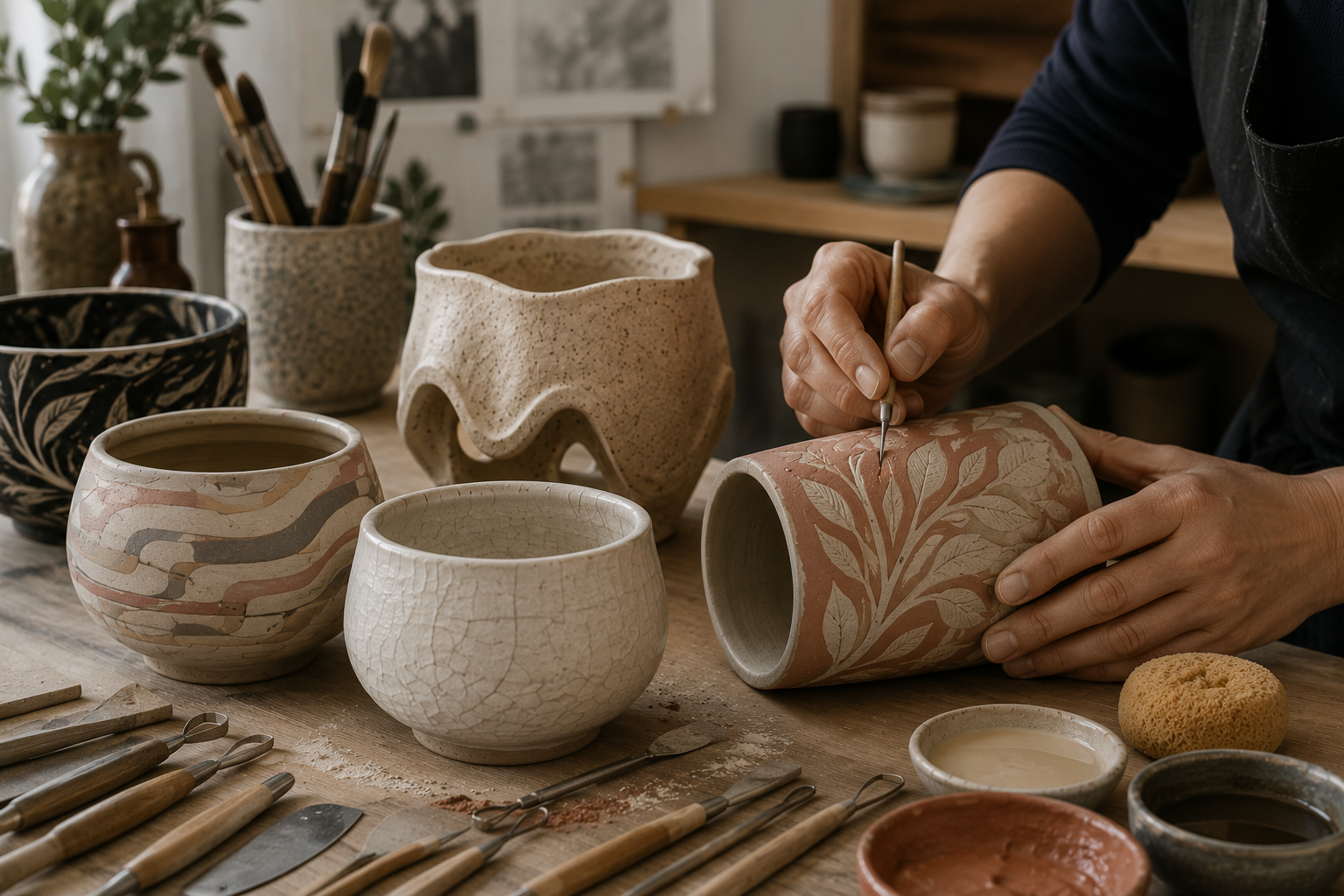
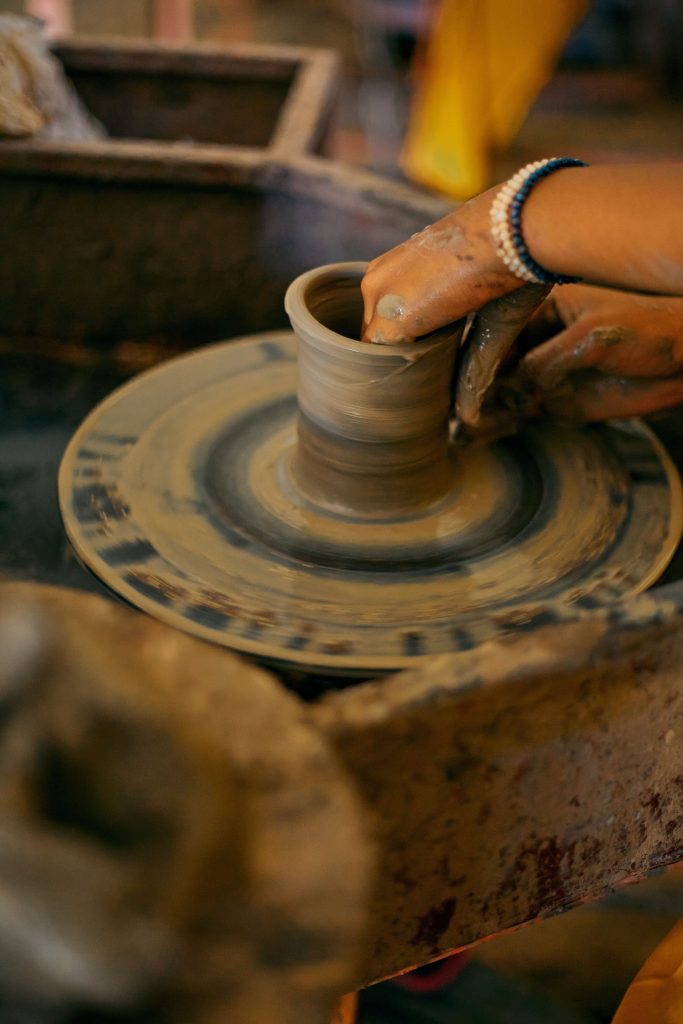
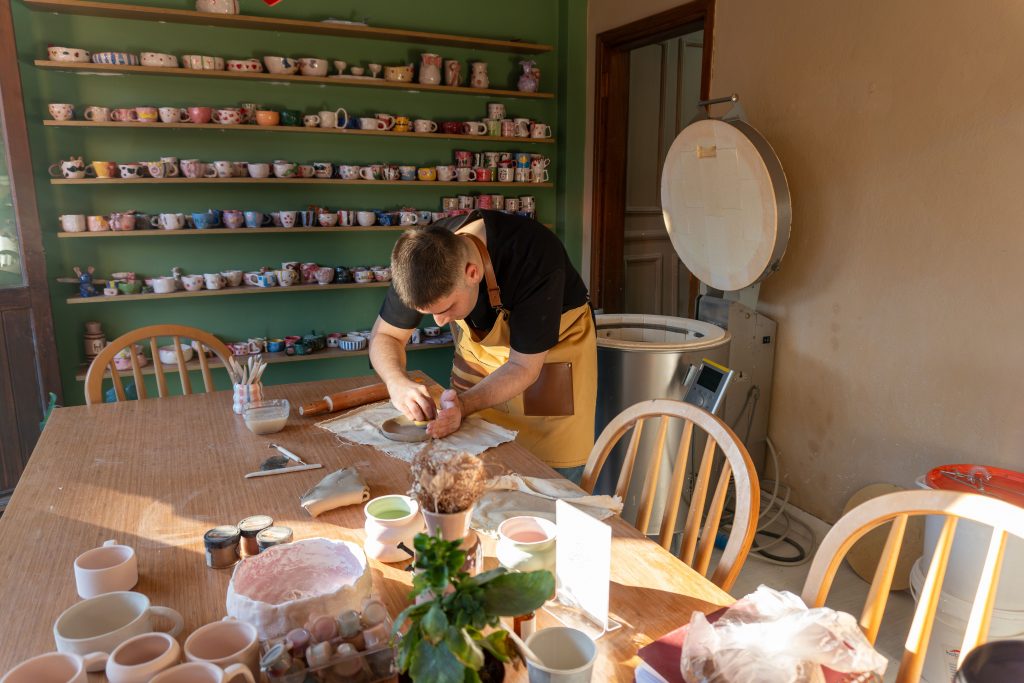
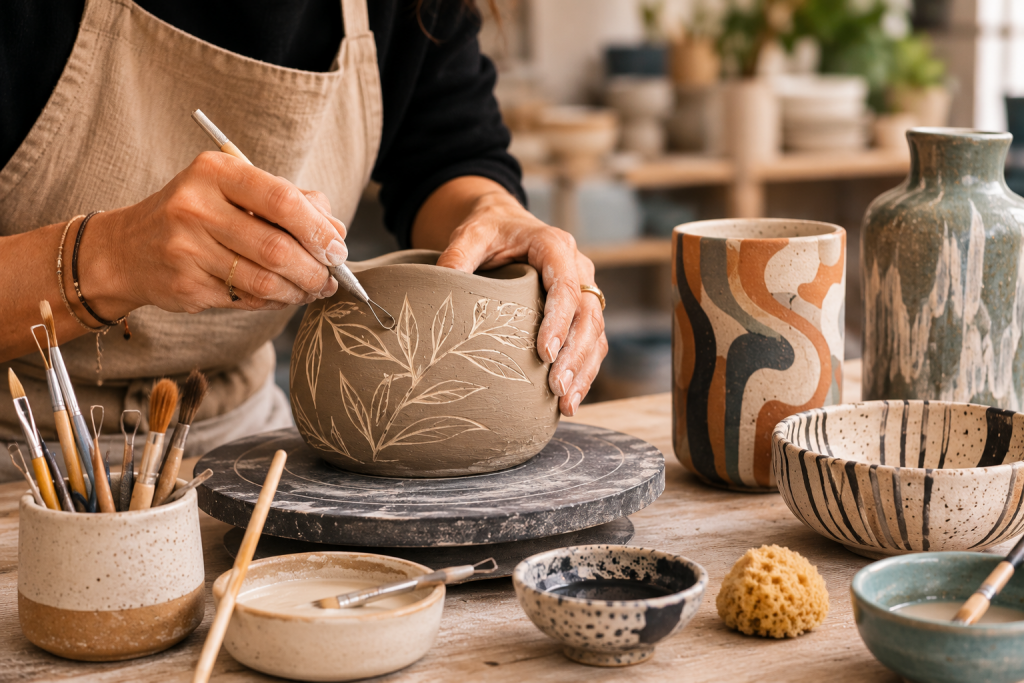
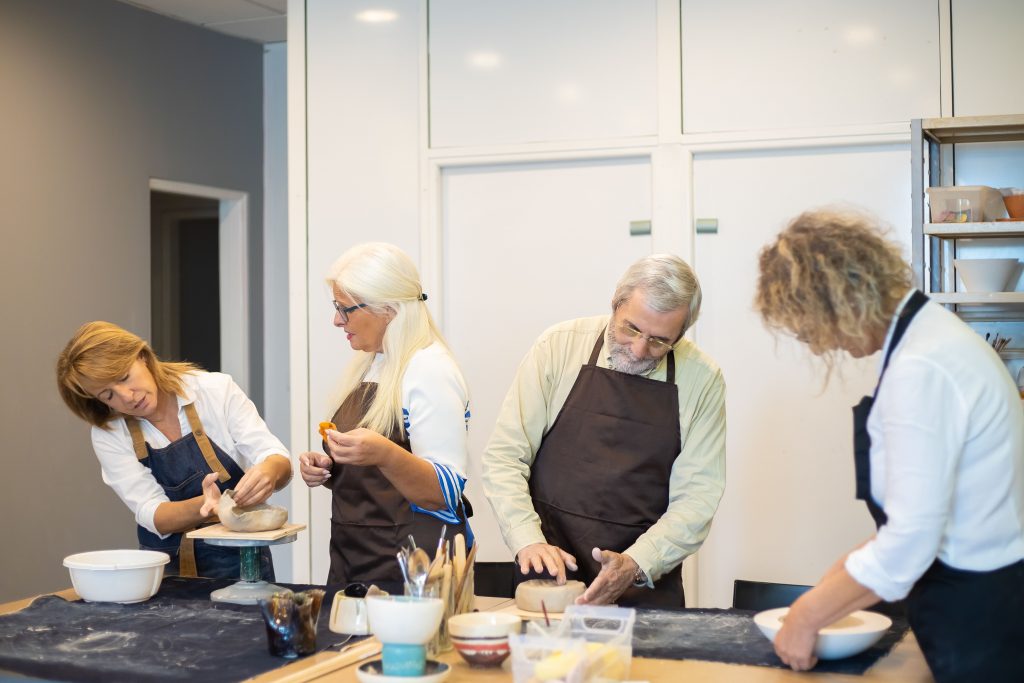
The Japanese Ceramic Techniques Workshop is designed for artists, hobbyists, and creative enthusiasts who want to explore traditional Japanese ceramic techniques through hands-on studio practice. Participants will learn four distinctive methods (Nerikomi, Kohiki, Sgraffito, and Kurinuki) while developing practical skills in clay preparation, carving, slip application, glazing, and finishing.
Through guided studio sessions, participants will create unique ceramic pieces while gaining an appreciation for Japanese ceramic aesthetics, craftsmanship, and surface decoration. Suitable for all skill levels, the workshop encourages creativity, experimentation, and personal artistic expression in a supportive learning environment.
Course Highlights
Duration
18 hours
Location
LAU ACE Beirut Solidere Office
Tuition
TBA
Schedule
7 practical studio sessions – 8 weeks
Instructors
Ali Karout
Industry Facts and Statistics
0 years
Pottery is one of the world’s oldest art forms, with ceramic traditions dating back over 16,000 years.
0 minutes
Studies have shown that as little as 45 minutes of creative art-making can significantly reduce stress levels and promote mental well-being.
Course Outcome
1
Understand the principles behind four traditional Japanese ceramic techniques.
2
Develop practical skills in hand-building, carving, slip application, glazing, and surface decoration.
3
Learn to prepare, shape, and finish ceramic pieces using professional studio practices.
4
Explore texture, pattern, color, and form through creative experimentation.
Who Should Take
This Course
Artists and creative individuals looking to expand their ceramic and hand-building skills through traditional Japanese techniques.
Beginners interested in learning pottery and ceramics in a welcoming, hands-on environment.
Ceramic hobbyists seeking to explore new surface decoration, carving, and glazing methods.
Anyone looking for a relaxing and rewarding artistic experience while creating unique handmade ceramic pieces.
Topics Covered
Nerikomi: Patterned Clay
Create intricate patterns by layering different colored clays before shaping and firing the final piece.
Kohiki: White Slip Surfaces
Apply traditional white slip over darker clay bodies to produce soft, elegant surfaces with natural texture and depth.
Sgraffito: Carved Surfaces
Learn decorative carving techniques by scratching through colored slip to reveal contrasting clay beneath.
Kurinuki: Carved Forms
Transform solid blocks of clay into expressive sculptural vessels through carving, hollowing, refining, and glazing.
Affiliation and Certification
Upon successful completion, participants will receive an e-badge issued via Credly by the LAU Academy of Continuing Education (ACE).
If you want to know more about the e-badge, click here
Testimonials
Banque Libano-Française
LAU ACE provided a comprehensive leadership training program for Banque Libano-Française, resulting in improved managerial skills and enhanced team performance. The customized approach ensured that the training aligned with the bank’s strategic goals.
Sanofi
Sanofi partnered with LAU ACE to deliver a specialized training program on regulatory compliance. The training was instrumental in ensuring that Sanofi’s staff were well-versed in the latest industry regulations, leading to increased efficiency and compliance.
Canadian Red Cross
LAU ACE developed a disaster management training program for the Canadian Red Cross, focusing on crisis response and recovery. The training equipped the staff with essential skills to manage emergencies effectively, resulting in improved response times and coordination during crises.
Ready to Take the Next Step?
Contact us today to learn more or enroll in this course!